

What's a Wolf Dog: All You Need to Know

A wolf dog is exactly what the name says: the offspring of a wolf and a domestic dog, or of two wolf dogs. Genetically this is a smaller leap than it sounds, since dogs and wolves are subspecies of the same animal and share around 99.8 percent of their genetic material.
What follows from that small difference, though, is an animal that is considerably harder to live with than most people expect, and one that is legally restricted in many countries.
Two recognised breeds, and everything else
The Fédération Cynologique Internationale recognises only two wolf dog breeds: the Czechoslovakian wolfdog and the Saarloos wolfdog. Everything else sold under the name is an unregistered cross of uncertain ancestry, which matters because temperament in these animals is unpredictable enough without unknown parentage added to it.
What the wolf half brings
Hybrids inherit traits from both sides, and the wolf traits are the ones that cause problems in a house.
The voice changes. A wolf dog does not bark the way a dog does; it produces a long call somewhere between a wolf howl and a dog's bark.
Energy is the second inheritance, and it is substantial. These animals need far more exercise and mental work than a typical dog, and an under-stimulated wolf dog is destructive rather than merely bored.
Wariness is the third. Suspicion of strangers and of unfamiliar animals is normal wolf behaviour and it does not switch off because the animal lives indoors. Some hybrids become notably more difficult around three years old as they reach full maturity.
And they do not tolerate being alone. A wolf dog left by itself for a working day is a genuinely unhappy animal.
The honest conclusion, which many owners reach too late, is that these are not pets for most households. Our article on why dogs act like wolves covers the milder version of the same inheritance in ordinary breeds.
The law
Breeding wolf dogs is restricted by law in many jurisdictions and generally requires CITES documentation. Rules vary by country and sometimes by region, and penalties for keeping an undocumented animal can include confiscation.
Check your local position before considering one. This is not a formality.
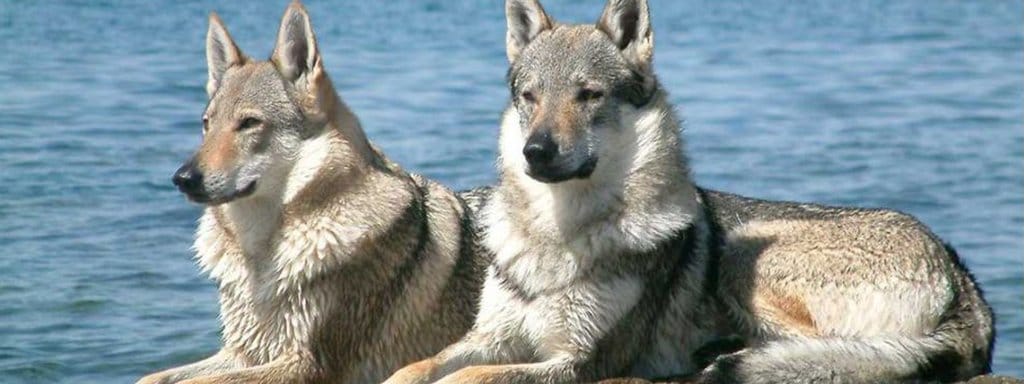
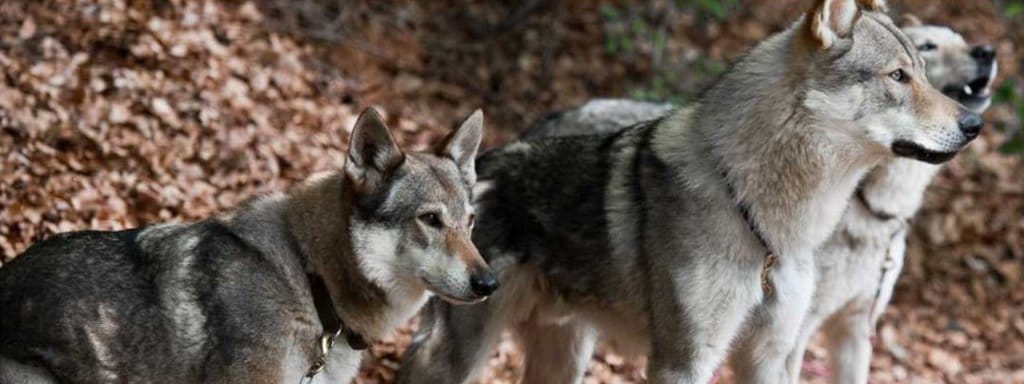
The Czechoslovakian wolfdog
Created deliberately in 1955 by crossing German shepherds with Carpathian wolves, and recognised by the FCI in 1999.
The result combines the endurance of the wolf with enough of the shepherd to be trainable, though only by an experienced handler. The breed is suspicious of strangers and can be aggressive toward them, which is why it is not a first dog. Properly socialised, it becomes intensely loyal to its own household.
Physically it is square-framed at around 60 cm, weighing 20 to 25 kg, with a flat straight coat that thickens considerably in winter. The eyes are small and amber, the ears short, the tail long.
The Saarloos wolfdog
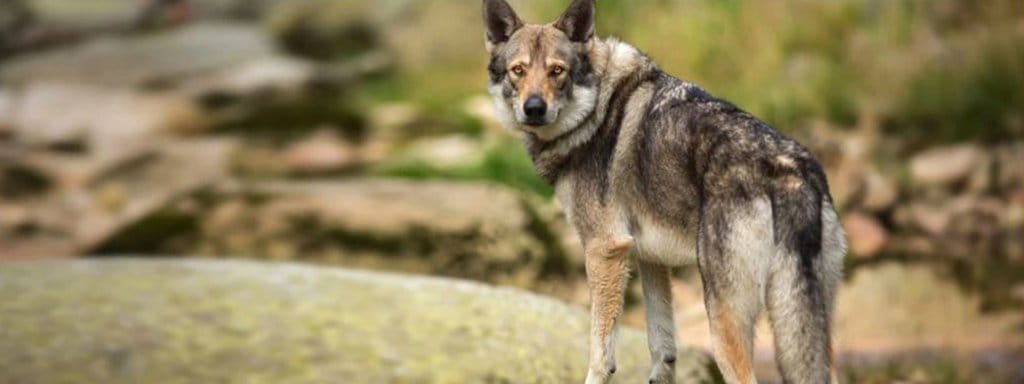
The older of the two, and the result of one man's persistence. Leendert Saarloos, a Dutch breeder, crossed German shepherds with a Siberian wolf through a long series of failed attempts before establishing the line in 1930. The FCI recognised it in 1981, long after his death.
Saarloos wolfdogs are larger than the Czechoslovakian breed, standing 60 to 75 cm and weighing 36 to 41 kg. The ears are pointed and medium, the eyes yellow and almond-shaped, the tail low and thick, and the coat dense with colour that shifts across the seasons.
Temperamentally they retain more of the wolf's reserve than the Czech breed does. They tend to withdraw from confrontation rather than escalate it, which sounds easier and is not: a nervous animal of this size is its own kind of problem.
The American wolf dog
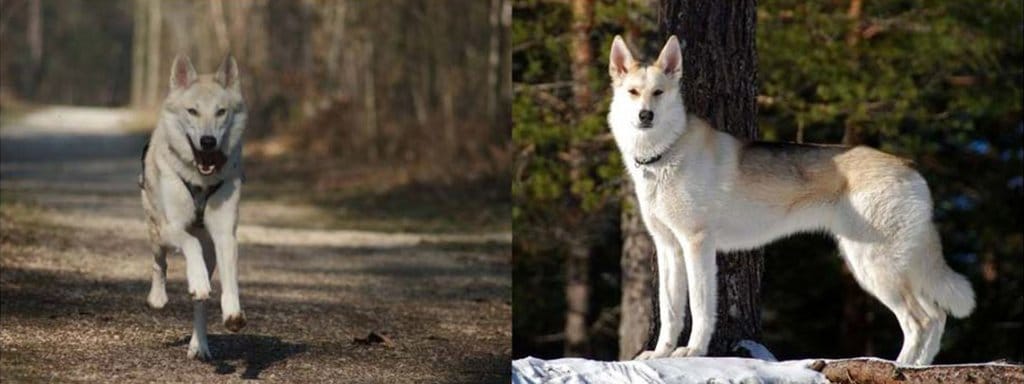
Not recognised by the FCI, which is why the population is described as a lineage rather than a breed. Ancestry varies enormously between individuals, and so does behaviour.
These animals are known for reactivity, caution, intelligence and a strong instinctive streak inherited from the wolf side. Well socialised from early on, some adapt to ordinary domestic life and accept strangers. Others never do.
Size varies as widely as temperament, from 63.5 to 91.5 cm and 25 to 65 kg. The ears are medium and erect, the eyes amber or yellow, the tail dense and carried straight.
Admiring the animal without owning one
Most people drawn to wolf dogs want the wolf rather than the dog, and there are better ways to have that in your life than taking on an animal that needs more than a house can give it.
Our wolf blanket collection covers throws in tribal, lunar and forest designs.
For something worn instead, our wolf clothes collection runs from hoodies to caps, and our wolf jewelry collection covers rings, bracelets and pendants.